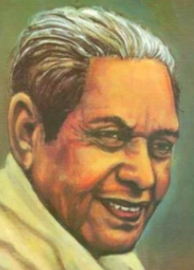
About Troilokyanath Mukhopadhyay
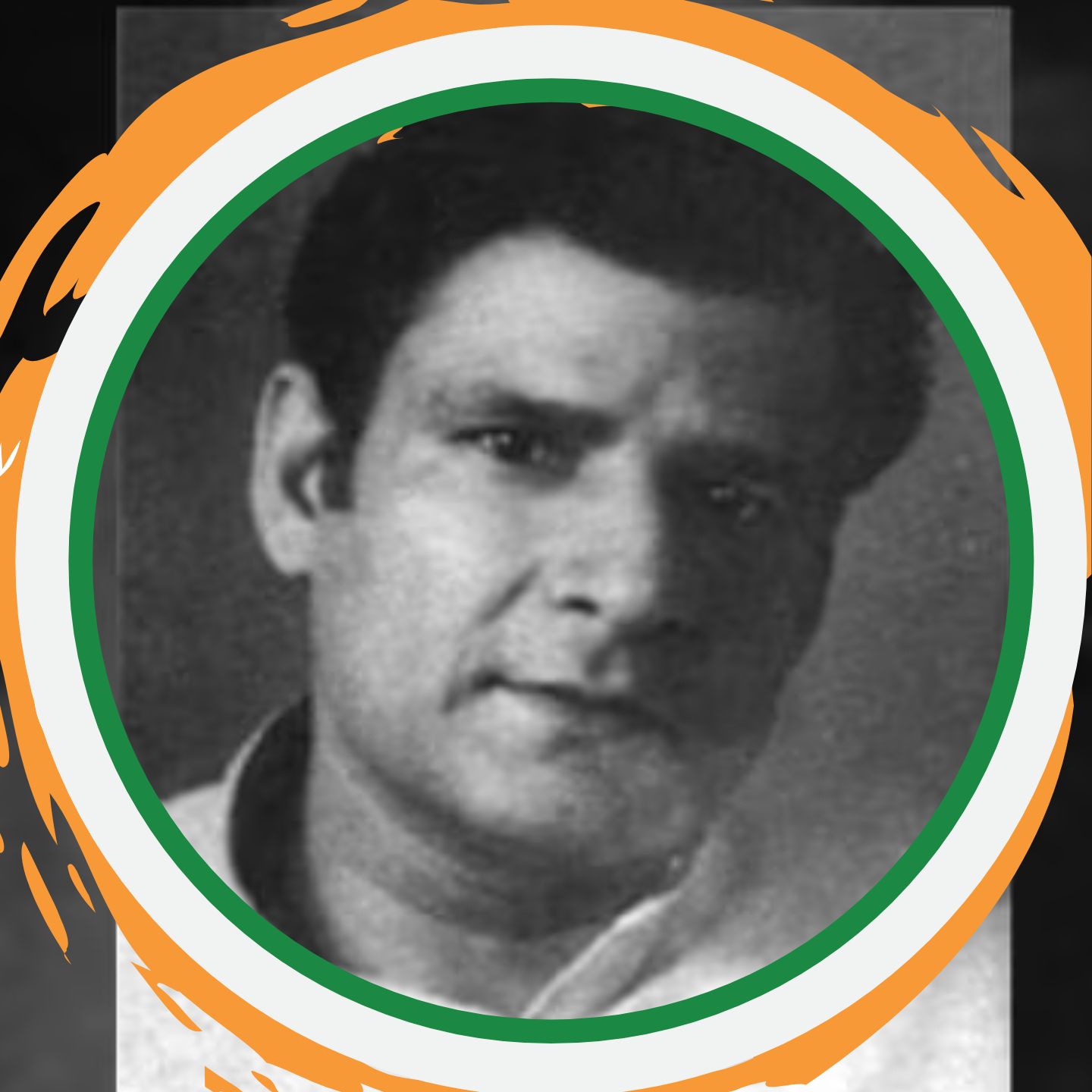
Trailokyanath Mukhopadhyay or T. N. Mukharji in British Indian Government records (Bengali: ত্রৈলোক্যনাথ মুখোপাধ্যায়, Troilōkyanātha Mukhōpādhyāẏa) (22 July 1847 – 3 November 1919) was an Indian public servant who served as a curator of the Indian Museum at Calcutta, and was a renowned author who wrote both in Englis…
About Troilokyanath Mukhopadhyay
Trailokyanath Mukhopadhyay or T. N. Mukharji in British Indian Government records (Bengali: ত্রৈলোক্যনাথ মুখোপাধ্যায়, Troilōkyanātha Mukhōpādhyāẏa) (22 July 1847 – 3 November 1919) was an Indian public servant who served as a curator of the Indian Museum at Calcutta, and was a renowned author who wrote both in English and Bengali. He was in-charge of organizing exhibits for the Calcutta International Exhibition of 1883, the Amsterdam Exhibition in the same year, the 1886 Colonial and Indian Exhibition, and the 1888 Glasgow International Exhibition. His travels in Europe as part of this was published as a popular travelogue A Visit to Europe (1889).
Trailokyanath was born in the village of Rahuta, near Shyamnagar in the North 24 Parganas district of West Bengal. Attending school in Hugli-Chuchura and Bhadreswar but largely self-taught, he became a school teacher in Daroka (Birbhum), Ukhra, Raniganj and in Sahajadpur, Sirajganj. From 1868 he served as a police sub-inspector in Cuttack (1868). Having learned Oriya, he joined Bhagavati Charan Das's Utkal Subhakari as editor. Later meeting Sir William Hunter, the compiler of A Statistical Account of Bengal (which historically included modern Bangladesh, West Bengal, Bihar and Orissa), he joined the Bengal Gazetteer Office as a clerk (1870). He became a chief clerk in the Agriculture Department and rose to become its assistant director, before joining the Government of India revenue department (1881). He helped in organizing the exhibits for the Calcutta International Exhibition of 1883. From 1886 he was assistant curator of the Indian Museum in Calcutta. In 1896 he retired on a pension.
During India's Great Famine of 1876–78, which had been aggravated by Viceroy Lytton's policy of exporting Indian wheat and other cash crops, Troilokyanath advised the government that it could save many lives by promoting the cultivation of carrots; the policy was adopted in the Raebareli and Sultanpur districts of Uttar Pradesh. F. N. Wright notes: "How wonderfully life was preserved in our upper districts by the extension of carrot cultivation, and how important it is to introduce crops (1) which do not fail under the same conditions as the staple crops of the country, and (2) which give a substantial fodder supply in the cold and dry months. Our chief expectations this direction rest upon (1) lucerne in irrigated tracts, mangelwurzel" — a type of beet grown mainly for animal feed — and "(3) extension of the cultivation of carrots, potatoes and other root crops to districts where they are little known."
Trailokyanath Mukhopadhyay was a famous writer, one of the pioneers of secular Bengali literature. One of his most famous works is Damru Charit (Bengali: ডমরু-চরিত) a collection of humorous and satirical short stories published posthumously in 1923. The stories, set in colonial India, recount the life and times of the antihero Damrudhar, portrayed as a dishonest man who rises from a lowly shop-assistant to a landowner.
Troilokyanath Mukhopadhyay: Quick Answers
Who is Troilokyanath Mukhopadhyay?
Trailokyanath Mukhopadhyay or T. N.
When was Troilokyanath Mukhopadhyay born?
Troilokyanath Mukhopadhyay was born on 22 July 1847. Associated place: Company Raj.
Poems & Stories by Troilokyanath Mukhopadhyay
No poems or stories yet from this poet.
Videos on Troilokyanath Mukhopadhyay
Loading videos…
Books by Troilokyanath Mukhopadhyay
Loading books…