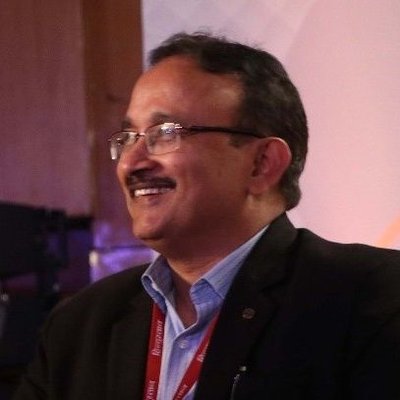
About Rajiv Malhotra
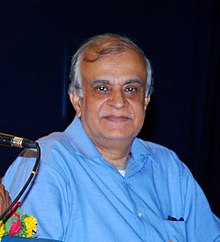
Rajiv Malhotra (born 15 September 1950) is an Indian-born American author who, after a career in the computer and telecom industries, took early retirement in 1995 to set up the Infinity Foundation, which focuses on Indic studies,[note 1] and also funds projects such as Columbia University's project to translate the T…
Poetry & Stories
க்ளூஜ் அமைப்பில் இருக்கும் இந்தத் தெளிவான
“க்ளூஜ் அமைப்பில் இருக்கும் இந்தத் தெளிவான கிறிஸ்தவச் சார்புதான் ஒரு மார்க்சிய வரலாற்றாய்வாளரான ரொமிலா தாப்பரைத் தேர்ந்தெடுத்தமையை அதிசயமான விஷயமாக்குகிறது.51 தாப்பர் ஹிந்துப் பண்பாட்டின் மேன்மையைக் கட்டுடைக்கும் ஒருவர் என்பதுடன் அவருடன் அப்பரிசை அதே ஆண்டு (2008) பகிர்ந்துகொண்டவரோ, ரொமிலா தாப்பர் ஹிந்துப் பண்பாட்டுக்குச் செய்ததற்கு நேர் எதிரான விஷயத்தைக் கிறிஸ்தவத்துக்குச் செய்தவர். பீட்டர் எல். ப்ரவுன் கிறிஸ்தவ மடாலயத் துறவு குறித்து ஒரு நேரான சித்திரத்தைக் கட்டமைக்கிறார். ஹிந்து மதத்தில் துறவு எனும் அதே நிகழ்வை தாப்பர், வாழ்க்கையை நிராகரிக்கும் தப்புவித்தல் என்கிறார்.52”― Aravindan Neelakandan Rajiv Malhotra, Udaiyum India
The truth itself is never vulnerable.
“The truth itself is never vulnerable. What is vulnerable is the state of knowledge or ignorance of human beings, especially our youth, who are being exposed to so many falsehoods.”
An op-ed piece in Indian Express by leading scholar and columnist
“An op-ed piece in Indian Express by leading scholar and columnist, Ashutosh Varshney, states that in neo-Hinduism, ‘a singular national identity was also equated with masculinity by Hindu nationalists. Vivekananda, whose sayings Narendra Modi tweets, came to promote ‘three Bs’ for Hindus: beef, biceps and the Bhagavad-Gita’.”
Scholars in South Asian Studies departments
Scholars in South Asian Studies departments and liberal think-tanks see India through a secular lens based on Western ideas of human rights. They deploy subaltern studies and postmodern theories to deconstruct the Indian state as a catastrophe constructed artificially by colonialism, and to show its very nature as oppressive, undemocratic, inherently anti-minority, anti-women and anti-Dalit. They export these models to their Indian counterparts, forming a self-sustaining system. They also feed these visions into media and government hearings. Thus, these two supposedly opposing intellectual streams converge to provide an image of India as a frontier necessitating Western intervention.
About Rajiv Malhotra
Apart from the foundation, Malhotra promotes a non-western view on Indic cultures, mainly Hinduism. Malhotra has written prolifically in opposition to the academic study of Indian culture and society originating in Europe and the United States, especially the study of Hinduism as it is conducted by scholars and university faculty of the West, which he maintains denigrates the tradition and undermines the interests of India "by encouraging the paradigms that oppose its unity and integrity".
- Breaking India: Western Interventions in Dravidian and Dalit Faultlines (2011) (publisher: Amaryllis, An imprint of Manjul Publishing House Pvt. Ltd.; ISBN 978-8191067378)
- Rajiv Malhotra (2011), Being Different: An Indian Challenge to Western Universalism (publisher: HarperCollins India; ISBN 978-9-350-29190-0)
- Rajiv Malhotra (2014), Indra's Net: Defending Hinduism's Philosophical Unity (publisher: HarperCollins India; ISBN 978-9-351-36244-9)
- Rajiv Malhotra (2016), Battle for Sanskrit: Dead or Alive, Oppressive or Liberating, Political or Sacred? (publisher: Harper Collins India; ISBN 978-9351775386)
Rajiv Malhotra: Quick Answers
Who is Rajiv Malhotra?
Rajiv Malhotra (born 15 September 1950) is an Indian-born American author who, after a career in the computer and telecom industries, took early retirement in 1995 to set up the Infinity Foundation, which focuses on Indic studies,[note 1] and also funds projects such as Columbia University's project to translate the T…
When was Rajiv Malhotra born?
Rajiv Malhotra was born on 15 September 1950. Associated place: New Delhi, Delhi, India.
Where can I read Rajiv Malhotra's poetry?
Kavishala has 4 poems and stories by Rajiv Malhotra, free to read on this page, along with selected quotes you can share.
Poems & Stories by Rajiv Malhotra
க்ளூஜ் அமைப்பில் இருக்கும் இந்தத் தெளிவான
“க்ளூஜ் அமைப்பில் இருக்கும் இந்தத் தெளிவான கிறிஸ்தவச் சார்புதான் ஒரு மார்க்சிய வரலாற்றாய்வாளரான ரொமிலா தாப்பரைத் தேர்ந்தெடுத்தமையை அதிசயமான விஷயமாக்குகிறது.51 தாப்பர் ஹிந்துப் பண்பாட்டின் மேன்மையைக் கட்டுடைக்கும் ஒருவர் என்பதுடன் அவருடன் அப்பரிசை அதே ஆண்டு (2008) பகிர்ந்துகொண்டவரோ, ரொமிலா தாப்பர் ஹிந்துப் பண்பாட்டுக்குச் செய்ததற்கு நேர் எதிரான விஷயத்தைக் கிறிஸ்தவத்துக்குச் செய்தவர். பீட்டர் எல். ப்ரவுன் கிறிஸ்தவ மடாலயத் துறவு குறித்து ஒரு நேரான சித்திரத்தைக் கட்டமைக்கிறார். ஹிந்து மதத்தில் துறவு எனும் அதே நிகழ்வை தாப்பர், வாழ்க்கையை நிராகரிக்கும் தப்புவித்தல் என்கிறார்.52”― Aravindan Neelakandan Rajiv Malhotra, Udaiyum India
The truth itself is never vulnerable.
“The truth itself is never vulnerable. What is vulnerable is the state of knowledge or ignorance of human beings, especially our youth, who are being exposed to so many falsehoods.”
An op-ed piece in Indian Express by leading scholar and columnist
“An op-ed piece in Indian Express by leading scholar and columnist, Ashutosh Varshney, states that in neo-Hinduism, ‘a singular national identity was also equated with masculinity by Hindu nationalists. Vivekananda, whose sayings Narendra Modi tweets, came to promote ‘three Bs’ for Hindus: beef, biceps and the Bhagavad-Gita’.”
Scholars in South Asian Studies departments
Scholars in South Asian Studies departments and liberal think-tanks see India through a secular lens based on Western ideas of human rights. They deploy subaltern studies and postmodern theories to deconstruct the Indian state as a catastrophe constructed artificially by colonialism, and to show its very nature as oppressive, undemocratic, inherently anti-minority, anti-women and anti-Dalit. They export these models to their Indian counterparts, forming a self-sustaining system. They also feed these visions into media and government hearings. Thus, these two supposedly opposing intellectual streams converge to provide an image of India as a frontier necessitating Western intervention.
Videos on Rajiv Malhotra
Loading videos…
Books by Rajiv Malhotra
Loading books…