About Jawaharlal Nehru
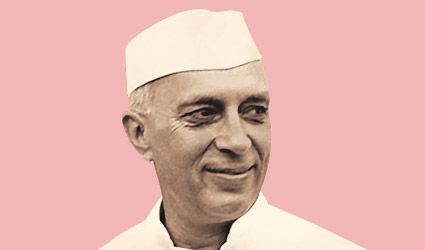
Jawaharlal Nehru (14 November 1889 – 27 May 1964) was an Indian independence activist and, subsequently, the first Prime Minister of India, as well as a central figure in Indian politics both before and after independence. He emerged as an eminent leader of the Indian independence movement, serving India as Prime Mini…
Selected Quotes
We live in a wonderful world that is full of beauty, charm and adventure. There is no end to the adventures we can have if only we seek them with our eyes open.
Facts are facts and will not disappear on account of your likes.
Poetry & Stories
रामायण और महाभारत - नेहरू
वेदों के जमानें के बाद काव्यों का जमाना आया। इसका यह नाम इसलिए पड़ा कि इसी जमानें में दो महाकाव्य, रामायण और महाभारत लिखे गए, जिनका हाल तुमने पढ़ा है। महाकाव्य पद्य की उस बड़ी पुस्तक को कहते हैं, जिसमें वीरों की कथा बयान की गई हो।काव्यों के जमाने में आर्य लोग उत्तरी हिंदुस्तान से विंध् य पहाड़ तक फैल गए थे। जैसा मैं तुमसे पहले कह चुका हूँ इस मुल्क को आर्यावर्त कहते थे। जिस सूबे को आज हम 'संयुक्त प्रदेश कहते हैं वह उस जमाने में मध् य प्रदेश कहलाता था, जिसका मतलब है बीच का मुल्क। बंगाल को बंग कहते थे।
हिंदुस्तान के आर्य कैसे थे? - नेहरू
आर्यों को हिंदुस्तान आए बहुत जमाना हो गया। सबके सब तो एक साथ आए नहीं होंगे, उनकी फौजों पर फौजें, जाति पर जाति और कुटुम्ब पर कुटुम्ब सैकड़ों बरस तक आते रहे होंगे। सोचो कि वे किस तरह लंबे काफिलों में सफर करते हुए, गृहस्थी की सब चीजें गाड़ियों और जानवरों पर लादे हुए आए होंगे। वे आजकल के यात्रियों की तरह नहीं आए। वे फिर लौट कर जाने के लिए नहीं आए थे। वे यहाँ रहने के लिए या लड़ने और मर जाने के लिए आए थे। उनमें से ज्यादातर तो उत्तर-पश्चिम की पहाड़ियों को पार करके आए; लेकिन शायद कुछ लोग समुद्र से ईरान की खाड़ी होते हुए आए और अपने छोटे-छोटे जहाजों में सिंधू नदी तक चले गए।ये आर्य कैसे थे? हमें उनके बारे में उनकी लिखी हुई किताबों से बहुत-सी बातें मालूम होती हैं। उनमें से कुछ किताबें, जैसे वेद, शायद दुनिया की सबसे पुरानी किताबों में से हैं। ऐसा मालूम होता है कि शुरू में वे लिखी नहीं गई थीं। उन्हें लोग जबानी याद करके दूसरों को सुनाते थे। वे ऐसी सुंदर संस्कृत में लिखी हुई हैं कि उनके गाने में मजा आता है। जिस आदमी का गला अच्छा हो और वह संस्कृत भी जानता हो उसके मुँह से वेदों का पाठ सुनने में अब भी आनंद आता है। हिंदू वेदों को बहुत पवित्र समझते हैं। लेकिन 'वेद' शब्द का मतलब क्या? इसका मतलब है 'ज्ञान' और वेदों में वह सब ज्ञान जमा कर दिया गया है जो उस जमाने के ऋषियों और मुनियों ने हासिल किया था। उस जमाने में रेलगाड़ियाँ, तार और सिनेमा न थे। लेकिन इसका मतलब यह नहीं है कि उस जमाने के आदमी मूर्ख थे। कुछ लोगों का तो यह खयाल है कि पुराने जमाने में लोग जितने अक्लमंद होते थे, उतने अब नहीं होते। लेकिन चाहे वे ज्यादा अक्लमंद रहे हों या न रहे हों उन्होंने बड़े मार्के की किताबें लिखीं जो आज भी बड़े आदर से देखी जाती हैं। इसी से मालूम होता है पुराने जमाने के लोग कितने बड़े थे।
About Jawaharlal Nehru
The son of Swarup Rani and Motilal Nehru, a prominent lawyer and nationalist statesman, Nehru was a graduate of Trinity College, Cambridge and the Inner Temple, where he trained to be a barrister. Upon his return to India, he enrolled at the Allahabad High Court and took an interest in national politics, which eventually replaced his legal practice. A committed nationalist since his teenage years, he became a rising figure in Indian politics during the upheavals of the 1910s. He became the prominent leader of the left-wing factions of the Indian National Congress during the 1920s, and eventually of the entire Congress, with the tacit approval of his mentor, Mahatma Gandhi. As Congress President in 1929, Nehru called for complete independence from the British Raj and instigated the Congress's decisive shift towards the left.
Nehru and the Congress dominated Indian politics during the 1930s as the country moved towards independence. His idea of a secular nation-state was seemingly validated when the Congress swept the 1937 provincial elections and formed the government in several provinces; on the other hand, the separatist Muslim League fared much poorer. However, these achievements were severely compromised in the aftermath of the Quit India Movement in 1942, which saw the British effectively crush the Congress as a political organisation. Nehru, who had reluctantly heeded Gandhi's call for immediate independence, for he had desired to support the Allied war effort during World War II, came out of a lengthy prison term to a much altered political landscape. The Muslim League under his old Congress colleague and now opponent, Muhammad Ali Jinnah, had come to dominate Muslim politics in India. Negotiations between Congress and Muslim League for power sharing failed and gave way to the independence and bloody partition of India in 1947.
Nehru was elected by the Congress to assume office as independent India's first Prime Minister, although the question of leadership had been settled as far back as 1941, when Gandhi acknowledged Nehru as his political heir and successor. As Prime Minister, he set out to realise his vision of India. The Constitution of India was enacted in 1950, after which he embarked on an ambitious program of economic, social and political reforms. Chiefly, he oversaw India's transition from a colony to a republic, while nurturing a plural, multi-party system. In foreign policy, he took a leading role in the Non-Aligned Movement while projecting India as a regional hegemon in South Asia.
Under Nehru's leadership, the Congress emerged as a catch-all party, dominating national and state-level politics and winning consecutive elections in 1951, 1957, and 1962. He remained popular with the people of India in spite of political troubles in his final years and failure of leadership during the 1962 Sino-Indian War. In India, his birthday is celebrated as Children's Day.
Jawaharlal Nehru: Quick Answers
Who is Jawaharlal Nehru?
Jawaharlal Nehru (14 November 1889 – 27 May 1964) was an Indian independence activist and, subsequently, the first Prime Minister of India, as well as a central figure in Indian politics both before and after independence. He emerged as an eminent leader of the Indian independence movement, serving India as Prime Mini…
When was Jawaharlal Nehru born?
Jawaharlal Nehru was born on 14 November 1889. Associated place: Allahabad, North-Western Provinces, British India.
When did Jawaharlal Nehru die?
Jawaharlal Nehru passed away on 27 May 1964.
Where can I read Jawaharlal Nehru's poetry?
Kavishala has 2 poems and stories by Jawaharlal Nehru, free to read on this page, along with selected quotes you can share.
Poems & Stories by Jawaharlal Nehru
रामायण और महाभारत - नेहरू
वेदों के जमानें के बाद काव्यों का जमाना आया। इसका यह नाम इसलिए पड़ा कि इसी जमानें में दो महाकाव्य, रामायण और महाभारत लिखे गए, जिनका हाल तुमने पढ़ा है। महाकाव्य पद्य की उस बड़ी पुस्तक को कहते हैं, जिसमें वीरों की कथा बयान की गई हो।काव्यों के जमाने में आर्य लोग उत्तरी हिंदुस्तान से विंध् य पहाड़ तक फैल गए थे। जैसा मैं तुमसे पहले कह चुका हूँ इस मुल्क को आर्यावर्त कहते थे। जिस सूबे को आज हम 'संयुक्त प्रदेश कहते हैं वह उस जमाने में मध् य प्रदेश कहलाता था, जिसका मतलब है बीच का मुल्क। बंगाल को बंग कहते थे।
हिंदुस्तान के आर्य कैसे थे? - नेहरू
आर्यों को हिंदुस्तान आए बहुत जमाना हो गया। सबके सब तो एक साथ आए नहीं होंगे, उनकी फौजों पर फौजें, जाति पर जाति और कुटुम्ब पर कुटुम्ब सैकड़ों बरस तक आते रहे होंगे। सोचो कि वे किस तरह लंबे काफिलों में सफर करते हुए, गृहस्थी की सब चीजें गाड़ियों और जानवरों पर लादे हुए आए होंगे। वे आजकल के यात्रियों की तरह नहीं आए। वे फिर लौट कर जाने के लिए नहीं आए थे। वे यहाँ रहने के लिए या लड़ने और मर जाने के लिए आए थे। उनमें से ज्यादातर तो उत्तर-पश्चिम की पहाड़ियों को पार करके आए; लेकिन शायद कुछ लोग समुद्र से ईरान की खाड़ी होते हुए आए और अपने छोटे-छोटे जहाजों में सिंधू नदी तक चले गए।ये आर्य कैसे थे? हमें उनके बारे में उनकी लिखी हुई किताबों से बहुत-सी बातें मालूम होती हैं। उनमें से कुछ किताबें, जैसे वेद, शायद दुनिया की सबसे पुरानी किताबों में से हैं। ऐसा मालूम होता है कि शुरू में वे लिखी नहीं गई थीं। उन्हें लोग जबानी याद करके दूसरों को सुनाते थे। वे ऐसी सुंदर संस्कृत में लिखी हुई हैं कि उनके गाने में मजा आता है। जिस आदमी का गला अच्छा हो और वह संस्कृत भी जानता हो उसके मुँह से वेदों का पाठ सुनने में अब भी आनंद आता है। हिंदू वेदों को बहुत पवित्र समझते हैं। लेकिन 'वेद' शब्द का मतलब क्या? इसका मतलब है 'ज्ञान' और वेदों में वह सब ज्ञान जमा कर दिया गया है जो उस जमाने के ऋषियों और मुनियों ने हासिल किया था। उस जमाने में रेलगाड़ियाँ, तार और सिनेमा न थे। लेकिन इसका मतलब यह नहीं है कि उस जमाने के आदमी मूर्ख थे। कुछ लोगों का तो यह खयाल है कि पुराने जमाने में लोग जितने अक्लमंद होते थे, उतने अब नहीं होते। लेकिन चाहे वे ज्यादा अक्लमंद रहे हों या न रहे हों उन्होंने बड़े मार्के की किताबें लिखीं जो आज भी बड़े आदर से देखी जाती हैं। इसी से मालूम होता है पुराने जमाने के लोग कितने बड़े थे।
Selected Quotes by Jawaharlal Nehru (चुनिंदा उद्धरण)
We live in a wonderful world that is full of beauty, charm and adventure. There is no end to the adventures we can have if only we seek them with our eyes open.
Facts are facts and will not disappear on account of your likes.
A language is something infinitely greater than grammar and philology. It is the poetic testament of the genius of a race and a culture, and the living embodiment of the thoughts and fanciesthat have moulded them
There is nothing more horrifying than stupidity in action.
Life is like a game of cards. The hand that is dealt you is determinism; the way you play it is free will.
The policy of being too cautious is the greatest risk of all.
Evil unchecked grows, evil tolerated poisons the whole system.
It is science alone that can solve the problems of hunger and poverty, of insanitation and illiteracy, of superstition and deadening custom and tradition, of vast resources running to waste, or a rich country inhabited by starving people... Who indeed could afford to ignore science today? At every turn we have to seek its aid... The future belongs to science and those who make friends with science.
India has known the innocence and insouciance of childhood, the passion and abandon of youth, and the ripe wisdom of maturity that comes from long experience of pain and pleasure; and over and over a gain she has renewed her childhood and youth and age
Culture is the widening of the mind and of the spirit.
The forces in a capitalist society, if left unchecked, tend to make the rich richer and the poor poorer.
What the mysterious is I do not know. I do not call it God because God has come to mean much that I do not believe in. I find myself incapable of thinking of a deity or of any unknown supreme power in anthropomorphic terms, and the fact that many people think so is continually a source of surprise to me. Any idea of a personal God seems very odd to me.
Without that passion and urge, there is a gradual oozing out of hope and vitality, a settling down on lower levels of existence, a slow merging into non-existence. We become prisoners of the past and some part of its immobility sticks to us.
Politics and Religion are obsolete. The time has come for Science and Spirituality.
Long years ago, we made a tryst with destiny, and now the time comes when we shall redeem our pledge, not wholly or in full measure, but very substantially. At the stroke of the midnight hour, when the world sleeps, India will awake to life and freedom. A moment comes, which comes but rarely in history, when we step out from the old to the new, when an age ends, and when the soul of a nation, long suppressed, finds utterance
The spectacle of what is called religion, or at any rate organised religion, in India and elsewhere, has filled me with horror and I have frequently condemned it and wished to make a clean sweep of it. Almost always it seemed to stand for blind belief and reaction, dogma and bigotry, superstition, exploitation and the preservation of vested interests.
The best and noblest gifts of humanity cannot be the monopoly of a particular race or country; its scope may not be limited nor may it be regarded as the miser's hoard buried underground.
If any person raises his hand to strike down another on the ground of religion, I shall fight him till the last breath of my life, both as the head of the government and from the outside
The ideals and objectives of yesterday was still ideals of today, but they lost some of their luster and even, as one seemed to go towards them, they lost the shining beauty which had warmed the heart and vitalized the body. Evil triumphed often enough, but what was far worse was the coarsening and distortion of what seemed so right. Was human nature so essentially bad that it would take ages of training ,through suffering and misfortune, before it could behave reasonably and raise man above the creature of lust and violence and deceit that he now was? And, meanwhile , was every effort to change radically in the present or the near future doomed to failure
And yet fear builds its phantoms which are more fearsome than reality itself, and reality, when calmly analysed and its consequences willingly accepted, loses much of its terror.
We must remember that what our governments are doing today will set the tone for future administrations. The very powers that may be exercised, perhaps for adequate reasons today, may be exercised later for totally inadequate and perhaps even for objectionable reasons. It is always unsafe to weaken on principles.
Time is not measured by the passing of yaers but by what one does, what one feels, and what one achieves.
Yet the past is ever with us and all that we are and that we have comes from the past. We are its products and we live immersed in it. Not to understand it and feel it as something living within us is not to understand the present. To combine it with the present and extend it to the future, to break from it where it cannot be so united, to make of all this the pulsating and vibrating material for thought and action—that is life.
No two persons could be so different from one another in their make up or temperaments. Tagore, the aristocratic artist, turned democrat with proletarian sympathies, represented essentially the cultural tradition of India, the tradition of accepting life in the fullness thereof and going through it with song and dance. Gandhi, more a man of the people, almost the embodiment of the Indian peasant, represented the other ancient tradition of India, that of renunciation and asceticism. And yet Tagore was primarily the man of thought, Gandhi of concentrated and ceaseless activity. Both, in their different ways had a world outlook, and both were at the same time wholly Indian. They seemed to present different but harmonious aspects of India and to complement one another.
Our lives are encumbered with the dead wood of this past; all that is dead and has served its purpose has to go. But that does not mean a break with, or a forgetting of, the vital and life-giving in that past. We can never forget the ideals that have moved our race, the dreams of the Indian people through the ages, the wisdom of the ancients, the buoyant energy and love of life and nature of our forefathers, their spirit of curiosity and mental adventure, the daring of their thought, their splendid achievements in literature, art and culture, their love of truth and beauty and freedom, the basic values that they set up, their understanding of life's mysterious ways, their toleration of other ways than theirs, their capacity to absorb other peoples and their cultural accomplishments, to synthesize them and develop a varied and mixed culture; nor can we forget the myriad experiences which have built up our ancient race and lie embedded in our sub-conscious minds. We will never forget them or cease to take pride in that noble heritage of ours. If India forgets them she will no longer remain India and much that has made her our joy and pride will cease to be.
There is no end to the adventures that we can have if only we seek them with our eyes open.
A moment comes, which comes but rarely in history, when we step out from the old to the new, when an age ends, and when the soul of a nation, long suppressed, finds utterance.
A country under foreign domination seeks escape from the present in dreams of a vanished age, and finds consolation in visions of past greatness. That is a foolish and dangerous pastime in which many of us indulge. An equally questionable practice for us in India is to imagine that we are still spiritually great though we have come down in the world in other respects. Spiritual or any other greatness cannot be founded on lack of freedom and opportunity, or on starvation and misery.
Loyal and efficient work in a great cause, even though it may not be immediately recognized, ultimately bears fruit
আমাদের এই যুগটাই ভিন্ন জাতের; এটা হচ্ছে মোহভঙ্গের যুগ, সন্দেহ সংশয় আর প্রশ্নজিজ্ঞাসার যুগ। প্রাচীন কালের যে-সব মতামত আর রীতিনীতি ছিল তার অনেকগুলোই এখন আর আমরা মেনে নিতে পারছিনা, তাদের উপরে আর আমাদের বিশ্বাস নেই- এশিয়াতে ইউরোপে আমেরিকাতে সর্বত্রই। অতএব এখন আমরা সন্ধানে ফিরছি নূতন পথের, সত্যের নূতনতর রূপের, আমাদের এই পরিবেশের সঙ্গে যে রূপটির সামঞ্জস্য অধিকতর স্পষ্ট হবে। পরস্পরকে ক্রমাগত প্রশ্ন করছি আমরা, করছি তর্ক বিতর্ক আর ঝগড়া, খাড়া করছি অসংখ্যরকমের 'বাদ' আর দর্শন। সক্রেটিসের যুগের মত আমরাও বাস করছি একটি জিজ্ঞাসার যুগে; কিন্তু সে জিজ্ঞাসার ক্ষেত্র শুধু এথেন্সের মত একটি ক্ষুদ্র নগরীর মধ্যেই সীমাবদ্ধ নয়, তার ক্ষেত্র এখন সমগ্র বিশ্বব্যাপী।এক-এক সময়ে পৃথিবীর অন্যায় অশান্তি নৃশংসতা দেখে আমরা বিষণ্ন হয়ে যাই। সংশয়ের ছায়ায় অন্ধকার হয়ে ওঠে আমাদের মন- সে অন্ধকার থেকে অব্যাহতির পথ খুঁজে পাইনে। ম্যাথু আর্নল্ডের মতো তখন আমাদেরও মনে হয়, এই পৃথিবীতে আশা বলে কিছু অবশিষ্ট নেই। একটি মাত্র কাজ আছে যা আমরা করতে পারি, সে হচ্ছে পরস্পরের প্রতি সত্য পালন করে চলা।Nationalism is essentially a group memory of past achievements, traditions, and experiences,
Fine buildings, fine pictures and books and everything that is beautiful are certainly signs of civilization. But an even better sign is a fine man who is unselfish and works with others for the good of all. To work together is better than to work singly, and to work together for the common good is best of all.
But if we go in for reservations on communal and caste basis, we swamp the bright and able people and remain second-rate or third-rate. I am grieved to learn of how far this business of reservation has gone based on communal considerations. It has amazed me to learn that even promotions are based sometimes on communal or caste considerations. This way lies not only folly, but disaster. Let us help the backward groups by all means, but never at the cost of efficiency.
Whatever gods there be, there is somethinggodlike in man, as there is also something of the devil in him.
We have all become wayfarers and travellers marching on and on ....Yet,for those who can adapt themselves to this continuous journeying,there is no regret and they would not have it otherwise.A reture to the dull uneventful past is unthinkable.
But, after all, no safeguards are adequate, unless the will to give effect to them fully is present.
I am a socialist not because I think it is a perfect system, but half a loaf is better than no bread. The other systems have been tried and found wanting. Let this one be tried—if for nothing else, for the novelty of the thing.’ Vivekananda
She was like some ancient palimpsest on which layer upon layer of thought and reverie had been inscribed , and yet no succeeding layer had completely hidden or erased what had been written previously.
Our desires seek out supporting reasons and tend toignore facts and arguments that do not fit in with them.
I wish to declare with all earnestness that I do not want any religious ceremonies performed for me after my death. I do not believe in such ceremonies, and to submit to them, even as a matter of form, would be hypocrisy and an attempt to delude ourselves and others.
Culture is the widening of the mind and of the spirit
For only they can sense life who stand often on the verge of it, only they whose lives are not governed by the fear of death.
Someone said the other day: death is the birthright of every person born—a curious way of putting an obvious thing. It is a birthright which nobody has denied or can deny, and which all of us seek to forget and escape so long as we may. And yet there was something novel and attractive about the phrase. Those who complain so bitterly of life have always a way out of it, if they so choose. That is always in our power to achieve. If we cannot master life we can at least master death. A pleasing thought lessening the feeling of helplessness.
A leader or a man of action in a crisis almost always acts subconsciously and then thinks of the reasons for his action.
Life is like a game of cards.The hand you are dealt is determinism;The way you play it is free will.
I had little patience with leftist groups in India, spending much of their energy in mutual conflict and recrimination over fine points of doctrine which did not interest me at all. Life is too complicated and, as far as we can understand it in our present state of knowledge, too illogical, for it to be confined within the four corners of a fixed doctrine.
There is no end to the adventures that we can have if only we seek them with our eyes open
In this materialistic age of ours,’ says Professor Albert Einstein, ‘the serious scientific workers are the only profoundly religious people.’15 In
How amazing is the spirit of man!...it is impossible to lose hope for him. In the midst of disaster he has not lost his dignity or his faith in the values he cherished. Plaything of nature's mighty forces, less than a speck of dust in this vast universe, he has hurled defiance at the elemental powers, and with his mind, cradle of revolution, sought to master them. Whatever gods there may be, there is something godlike in man, as there is something of the devil in him. The future is dark, uncertain. But we can see part of the way leading to it and can tread it with firm steps, remembering that nothing that can happen is likely to overcome the spirit of man which has survived many perils. Remembering also that life, for all its ills, has joy and beauty, and we can always wander,if we know how to, in the enchanted woods of nature.
History bears witness to the vital part that the ‘prophets’ have played in human progress—which is evidence of the ultimate practical value of expressing unreservedly the truth as one sees it. Yet it also becomes clear that the acceptances and spreading of that vision has always depended on another class of men—“leaders” who had to be philosophical strategists, striking a compromise between truth and men’s receptivity to it.
The impact of science and the modern world have brought a greater appreciation of facts, a more critical faculty, a weighing of evidence, a refusal to accept tradition merely because it is tradition. Many competent historians are at work now, but they often err on the other side and their work is more a meticulous chronicle of facts than living history. But even today it is strange how we suddenly become overwhelmed by tradition, and the critical faculties of even intelligent men cease to function. This may partly be due to the nationalism that consumes us in our present subject state. Only when we are politically and economically free will the mind function normally and critically.
Truth is one: (though) the wise call it by various names.
But the ideal is terribly difficult to grasp or to hold.
Never do anything in secret or anything that you would wish to hide. For the desire to hide anything means that you are afraid, and fear is a bad thing and unworthy of you. Be brave, and all the rest follows.
If two men fight in the streets the policeman separates them and everybody thinks how silly they are. But how much sillier and more foolish is it for great countries to fight each other and kill thousands and millions.
I was taught by a great man, never to hate - and never to fear.
In the old days when war and its consequences, brutality and conquest and enslavement of a people, were accepted as belonging to the natural order of events, there was no particular need to cover them or justify them from some other point of view. With the growth of higher standards the need for justification has arisen, and this leads to a perversion of facts, sometimes deliberate, often unconscious. Thus hypocrisy pays its tribute to virtue, and a false and sickening piety allies itself to evil deeds. In
But it is distressing that any organisation consisting of large numbers of young men, should be so utterly little minded and lacking in not only vision but in commonsense or common understanding. The R.S.S. is typical in this respect of the type of organisation that grew up in various parts of Europe in support of fascism. . . .
Schopenhauer says, ‘a man can do what he will, but not will as he will.
whatever happens in Pakistan, quite clearly our task in India is clear; we must pursue with even greater determination than in the past our efforts at forming a secular State in which men of all communities can walk with their heads high.
We are lovers of beauty without extravagance, and lovers of wisdom without unmanliness. Wealth to us is not mere material for vainglory but an opportunity for achievement; and poverty we think it no disgrace to acknowledge but a real degradation to make no effort to overcome.... Let us draw strength, not merely from twice-told arguments—how fair and noble a thing it is to show courage in battle—but from the busy spectacle of our great city's life as we have it before us day by day, falling in love with her as we see her, and remembering that all this greatness she owes to men with the fighter's daring, the wise man's understanding of his duty, and the good man's self-discipline in its performance—to men who, if they failed in any ordeal, disdained to deprive the city of their services, but sacrificed their lives as the best offerings on her behalf. So they gave their bodies to the commonwealth and received, each for his own memory, praise that will never die, and with it the grandest of all sepulchres, not that in which their mortal bones are laid, but a home in the minds of men, where their glory remains fresh to stir to speech or action as the occasion comes by. For the whole earth is a sepulchre of famous men; and their story is not graven only on stone over their native earth, but lives on far away, without visible symbol, woven into the stuff of other men's lives. For you now it remains to rival what they have done and, knowing the secret of happiness to be freedom and the secret of freedom a brave heart, not idly to stand aside from the enemy's onset.
Life is too complicated and, as far as we can understand it in our present state of knowledge, too illogical, for it to be confined within the four corners of a fixed doctrine. The
We talk of high philosophies and our ancient greatness but act in narrow grooves and show intolerance to our neighbour. These are basic questions for us to keep in mind, for our future depends on the answer that we give to them.
Held a ‘prisoner perforce inactive when a fierce activity consumes the world’, Nehru found the present had acquired the ‘immobility and unchangeableness’ of the past. Still, sequestered from the world, he felt ‘the domination of the present’— or to use a more current phrase, the urgency of now pressed in on him. Denied the freedom to act in this present, he turned to the past and made it his instrument for acting on the future.
..And yet wrongsteps have to be taken sometimes lest some worse peril befallus; that is the great paradox of politics, and no man can saywith surety whether present wrong-doing is better and safer inthe end than the possibility of that imagined peril.
Life is like a game of cards. The hand you are dealt is determinism; the way you play it is free will.
There is a stillness and everlastingness about the past; it changes not and has a touch of eternity, like a painted picture or a statue in bronze or marble. Unaffected by the storms and upheavals of the present, it maintains its dignity and repose and tempts the troubled spirit and the tortured mind to seek shelter in its vaulted catacombs. There is peace there and security, and one may even sense a spiritual quality. But it is not life, unless we can find the vital links between it and the present with all its conflicts and problems. It is a kind of art for art's sake, without the passion and the urge to action which are the very stuff of life. Without that passion and urge, there is a gradual oozing out of hope and vitality, a settling down on lower levels of existence, a slow merging into non-existence. We become prisoners of the past and some part of its immobility sticks to us.
Aurobindo Ghose writes somewhere of the present as 'the pure and virgin moment,' that razor's edge of time and existence which divides the past from the future, and is, and yet, instantaneously is not. The phrase is attractive and yet what does it mean? The virgin moment emerging from the veil of the future in all its naked purity, coming into contact with us, and immediately becoming the soiled and stale past. Is it we that soil it and violate it? Or is the moment not so virgin after all, for it is bound up with all the harlotry of the past?
It is just over two years since we came here, two years of a dream life rooted in one spot, with the same few individuals to see, the same limited environment, the same routine from day to day. Sometime in the future we shall wake up from this dream and go out into the wider world of life and activity, finding it a changed world. There will be an air of unfamiliarity about the persons and things we see; we shall remember them again and past memories will crowd into our minds, and yet they will not be the same, nor will we be the same, and we may find it difficult to fit in with them. Sometimes we may wonder whether this renewed experience of everyday living is not itself a sleep and a dream from which we may suddenly wake up. Which is the dream and which is the waking ? Are they both real, for we experience and feel them in all their intensity, or are they both unsubstantial and of the nature of fleeting dreams which pass, leaving vague memories behind?
..There will be the direct weakening effect, but much worse will be the inner psychological conflict between those who wish to reunite her and those who oppose this. New vested interest will be created which will resist change and progress, a new evil Karma will pursue us in the future. One wrong step leads to another; so it has been in the past and so it may be in the future. And yet wrong steps have to be taken sometimes lest some worse peril befall us; that is the great paradox of politics, and no man can say with surety whether present wrong-doing is better and safer in the end than the possibility of that imagined peril.
Failure comes only when we forget our ideals and objectives and principles.
Fact and fiction are so interwoven together as to be inseparable, and this amalgam becomes an imagined history, which may not tell us exactly what happened but does tell us something equally important — what people believed had taken place, what they thought their heroic ancestors were capable of, and what ideals inspired them.
Man's dearest possession in life, and since it is given to him to live but once, he must so live as not to be seared with the shame of a cowardly and trivial past, so live as not to be tortured for years without purpose, so live that dying he can say: "All my life and my strength were given to the first cause of the world—the liberation of mankind.
Democracy and socialism are means to an end, not the end itself.
In India the change is equally remarkable. There are those here, as elsewhere, 'governmentarians', who hover round the skirts of government and echo the views which they think will be approved by those whose favour they continually seek. There was a time, not so long ago, when they praised Hitler and Mussolini, and held them up as models, and when they cursed the Soviet Union with bell, book, and candle. Not so now, for the weather has changed. They are high government and state officials, and loudly they proclaim their anti-fascismand anti-nazism and even talk of democracy, though with bated breath, as something desirable but distant. I often wonder what they would have done if events had taken a different turn, and yet there is little reason for conjecture, for they would welcome with garlands and addresses of welcome whoever happened to wield authority.
Practical men must necessarily base themselves on established and known practice, on existing conditions, and not take a leap into the dark unknown merely because of some principle or untested theory.
And the famous invocation is for light and understanding: ‘Lead me from the unreal to the real! Lead me from darkness to light! Lead me from death to immortality.’… There is no humility about this quest, the humility before an all-powerful deity, so often associated with religion. In a morning prayer, the sun is addressed thus: ‘O sun of refulgent glory, I am the same person as makes thee what thou art.’ What a superb self-confidence!
Long years ago, we made a tryst with destiny. Now the time has come when we shall redeem our pledge - not wholly or in full measure - but very substantially. At the stroke of the midnight hour, when the world sleeps, India will awake to life and freedom.
Discontent is the spur of progress.
Above all, the Governments of China and Eire, poor in their own resources, full of their own difficulties, yet having had bitter experience themselves of famine and misery and sensing what ailed the body and spirit of India, gave generous help.
The deep blue Arabian Sea stretches out before me as I write; and on the other side, in the far distance, is the coast of India, passing by. I think of this vast and almost immeasurable expanse and compare it to the little barrack, with its high walls, in Naini Prison, from where I wrote my previous letters to you. The sharp outline of the horizon stands out before me, where the sea seems to meet the sky; but in Gaol, a prisoner's horizon is the top of the wall surrounding him. Many of us who were in prison are out of it to-day and can breathe the freer air outside. But many of our colleagues remain still in their narrow cells deprived of the sight of the sea and the land and the horizon. And India herself is still in prison and her freedom is yet to come. What is our freedom worth if India is not free?
But I do not believe in any of these or other theories and assumptions as a matter of religious faith. They are just intellectual speculations in an unknown region about which we know next to nothing. They do not affect my life, and whether they were proved right or wrong subsequently, they would make little difference to me.
There is something very wonderful about the high achievements of science and modern technology (which no doubt will be bettered in the near future), in the superb ingenuity of scientific instruments, in the amazingly delicate and yet powerful machines, in all that has flowed from the adventurous inquiries of science and its applications, in the glimpses into the fascinating workshop and processes of nature, in the fine sweep of science, through its myriad workers, in the realms of thought and practice, and, above all, in the fact that all this has come out of the mind of man.
The only alternative to coexistence is codestruction.
Elections were an essential and inseparable part of the democratic process and there was no way of doing away with them. Yet, often enough, elections brought out the evil side of man, and it was obvious that they did not always lead to the success of the better man. Sensitive persons, and those who were not prepared to adopt rough-and-ready methods to push themselves forward, were at a disadvantage and preferred to avoid these contests. Was democracy then to be a close
We are little men serving great causes, but because the cause is great, something of that greatness falls upon us also
Any vital action springs from the depths of the being. All the long past of the individual and even of the race has prepared the background for that psychological moment of action. All the racial memories, influences of heredity and environment and training, subconscious urges, thoughts and dreams and actions from infancy and childhood onwards, in their curious and tremendous mix-up, inevitably drive to that new action, which again becomes yet another factor influencing the future. Influencing the future, partly determining it, possibly even largely determining it, and yet, surely, it is not all determinism.
Many Hindus look upon the Vedas as revealed scripture. This seems to me to be peculiarly unfortunate, for thus we miss their real significance — the unfolding of the human mind in the earliest stages of thought. And what a wonderful mind it was!The Vedas (from the root vid, to know) were simply meant to be a collection of the existing knowledge of the day; they are a jumble of many things: hymns, prayers, ritual for sacrifice, magic, magnificent nature poetry. There is no idolatory in them; no temples for the gods. The vitality and affirmation of lifepervading them are extraordinary. The early Vedic Aryans were so full of the zest for life that they paid little attention to the soul.
I was assured that nothing would appear in the press, and that I need only see the Duce for a few minutes. All that he wanted to do was to shake hands with me and to convey personally his condolences at my wife’s death. So we argued for a full hour with all courtesy on both sides but with increasing strain; it was a most exhausting hour for me and probably more so for the other party. The time fixed for the interview was at last upon us and I had my way. A telephone message was sent to the Duce’s palace that I could not come.
The deep blue Arabian Sea stretches out before me as I write; and on the other side, in the far distance, is the coast of India, passing by. I think of this vast and almost immeasurable expanseand compare it to the little barrack, with its high walls, in Naini Prison, from where I wrote myprevious letters to you. The sharp outline of the horizon stands out before me, where the seaseems to meet the sky; but in Gaol, a prisoner's horizon is the top of the wall surrounding him.Many of us who were in prison are out of it to-day and can breathe the freer air outside. But many of our colleagues remain still in their narrow cells deprived of the sight of the sea and theland and the horizon. And India herself is still in prison and her freedom is yet to come. What isour freedom worth if India is not free?
Life is too complicated and, as far as we can understand it in our present state of knowledge, too illogical, for it to be confined within the four corners of a fixed doctrine.
How amazing is this spirit of man! In spite of innumerable failings, man, throughout the ages, has sacrificed his life and all he held dear for an ideal, for truth, for faith, for country and honour. That ideal may change, but that capacity for self-sacrifice continues, and, because of that, much may be forgiven to man, and it is impossible to lose hope for him. In the midst of disaster, he has not lost his dignity or his faith in the values he cherished. Plaything of nature’s mighty forces, less than a speak of dust in this vast universe, he has hurled defiance at the elemental powers, and with his mind, cradle of revolution, sought to master them. Whatever gods there be, there is something godlike in man, as there is also something of the devil in him.
Manila is the capital city of the Philippines. A new legislative building was put up there some time ago and on its façade four figures have been carved representing the sources of Philippine culture. These figures are Manu, the great law-giver of ancient India; Lao-Tse, the philosopher of China; and two figures representing Anglo-Saxon law and justice, and Spain.
கடிதம் தேதி 07.12.1947 சில மாநிலங்களில் ராஷ்ட்ரிய ஸ்வயம் ஸேவக் சங்கம் (ஆர்.எஸ்.எஸ்) ஏற்பாடு செய்திருந்த மாபெரும் ஆர்ப்பாட்டங்களைப் பற்றிய செய்திகள் எனக்குக் கிடைத்துள்ளன. பெரும்பாலான இடங்களில் தடை உத்திரவுகளை மீறி இவை நடத்தப்பட்டுள்ளன. சில மாநில அரசுகள் இந்தச் சட்ட மீறலுக்கெதிராக ஒரு நடவடிக்கையும் எடுக்கவில்லை. நடவடிக்கைகள் எடுக்கும் உத்திகள், சுதந்தரத்தில் நான் தலையிட விரும்பவில்லையெனினும் இப்படி நீங்கள் செய்ததன் பின்விளைவுகள் மிகப் பெரியதாக இருக்குமென்று மட்டும் சுட்டிக்காட்ட விரும்புகிறேன். ஆர்.எஸ்.எஸ். ஒரு தனியார் ராணுவத்தைப் போலச் செயல்படுகிறது என்பதற்கும் நாஜிப் படையினரின் அமைப்பையும் செயல்பாடுகளையும் பின்பற்றுகிறது என்பதற்கும் நம்மிடம் நிறையவே சான்றுகள் உள்ளன. மனித உரிமைகளில் தலையிடுவதல்ல நமது கொள்கை. ஆனால் மனிதர்களுக்கு ஆயுதப் பயிற்சியளிப்பது அவற்றை எப்படி உபயோகிப்பதென்று சொல்லிக் கொடுப்பது போன்ற செயல்களை நாம் ஊக்குவிக்கக்கூடாது. அனைவருக்கும் தெரிந்தே ஆர்.எஸ்.எஸ். மத்திய மற்றும் மாநில அரசுகளுக்கெதிரானச் செயல்படுகிறது என்ற காரணத்தாலே அதற்கெதிராக நடவடிக்கையெடுக்கத் தேவையில்லை. சட்டங்களுக்குட்பட்ட அதன் பிரசாரங்களை நீங்கள் அனுமதிக்கலாம். ஆனால் அதன் செயல்பாடுகள் எல்லை மீறிப் போகின்றதால் மாநில அரசுகள் அதன் நடவடிக்கைகளை கவனமாகப் பார்த்துக் கொண்டிருக்கவேண்டும். தேவையெனத் தோன்றினால், அவற்றுக்கெதிராக நடவடிக்கை எடுக்கவேண்டும். நாஜி இயக்கம் ஜெர்மனியில் எப்படிக் காலுன்றியது என்பதைப் பற்றி எனக்கு ஒரளவுத் தெரியும். சொந்தமாகச் சிந்தித்துச் செயல்படும் திறமை குறைவாக இருந்து, வாழ்க்கையில் ஒரு பிடிப்புமில்லாமல் இருந்த நடுத்தரக் கீழ்மட்ட மக்களை இந்த இயக்கம் தனது செயல்பாடுகளாலும் பலமான கட்டுப்பாடுகளாலும் தன்பக்கம் இழுத்துக்கொண்டது. நாஜிக் கட்சியின் கொள்கைகளும் செயல்திட்டங்களும் சாதாரண மக்களும்கூட புரிந்து கொள்ளும்படியாக இருந்தன. கடைசியில் அந்தக் கட்சியே ஜெர்மனியின் அழிவுக்கும் காரணமாக இருந்தது. இம்மாதிரியான செயல்களை இந்தியாவிலும் அனுமதித்தால் அவற்றின் பின்விளைவுகள் மிக மோசமானதாக இருக்கும். இந்தியா நிச்சயமாக அதிலிருந்து தப்பிவிடும். ஆனால், அதனால் ஏற்படும் காயங்கள் எளிதில் ஆறாது.
There is only one thing that remains to us that cannot be taken away: to act with courage and dignity and to stick to the ideals that have given meaning to life; but that is not the politician's way.
Mohandas Karamchand Gandhi’s An Autobiography: The Story Of My Experiments With Truth and Hind Swaraj, Rabindranath Tagore’s Nationalism and Gora, and Jawaharlal’s Nehru’s An Autobiography—is The Discovery of India.
with the scientific and industrial West. Science was the great gift of the West
..reality, when calmly analysed and its consequences willingly accepted, loses much of its terror.
The light has gone out, I said, and yet I was wrong. For the light that shone in this country was no ordinary light. The light that has illumined this country for these many years will illumine this country for many more years, and a thousand years later, that light will be seen in this country and the world will see it and it will give solace to innumerable hearts. For that light represented something more than the immediate past, it represented the living, the eternal truths, reminding us of the right path, drawing us from error, taking this ancient country to freedom.
No country or people who are slaves to dogma and dogmatic mentality can progress, and unhappily our country and people have become extraordinarily dogmatic and little-minded.
Learning and knowledge make people think, and doubt and questioning are difficult companions for faith to have.
What is wrong with modern civilization which produces at the roots these signs of sterility and racial decadence? But this is nothing new, it has happened before and history is full of examples of it. Imperial Rome in its decline was far worse. Is there a cycle governing this inner decay and can we seek out the causes and eliminate them? Modern industrialism and the capitalist structure of society cannot be the sole causes, for decadence has often occurred without them. It is probable, however, that in their present forms they do create an environment, a physical and mental climate, which is favourable for the functioning of those causes. If the basic cause is something spiritual, something affecting the mind and spirit of man, it is difficult to grasp though we may try to understand it or intuitively feel it. But one fact seems to stand out: that a divorce from the soil, from the good earth, is bad for the individual and the race. The earth and the sun are the sources of life and if we keep away from them for long life begins to ebb away. Modern industrialized communities have lost touch with the soil and do not experience that joy which nature gives and the rich glow of health which comes from contact with mother earth. They talk of nature’s beauty and go to seek it in occasional week-ends, littering the countryside with the product of their own artificial lives, but they cannot commune with nature or feel part of it. It is something to look at and admire, because they are told to do so, and then return with a sigh of relief to their normal haunts; just as they might try to admire some classic poet or writer and then, wearied by the attempt, return to their favourite novel or detective story, where no effort of mind is necessary. They are not children of nature, like the old Greeks or Indians, but strangers paying an embarrassing call on a scarce-known distant relative. And so they do not experience that joy in nature’s rich life and infinite variety and that feeling of being intensely alive which came so naturally to our forefathers. Is it surprising then that nature treats them as unwanted step-children?
Fiction becomes symbolically true and tells us of the minds and hearts and purposes of the people.
The other day I saw in an evening paper that Indians were called “invertebrates”. Rather good that, isn’t it? The Saturday Review, by the by, made a very wise remark a few weeks ago. It said that Indians were bound to have self-government but, — and herein lies the difficulty — not before a few aeons of geological time ! This may mean anything between a few million years and a wholly incomprehensible period. The chief difficulty was the want of education, and some million generations will be required to educate them up to the colonial standard
As Schopenhauer says, ‘a man can do what he will, but not will as he will.
produced. In any event, criticism and cavilling at minorities does not help. It is difficult to think of long-term policies when the situation is an ever-changing one. The only real long-term policy we can have is to consolidate India by making all the minorities in the
If communism offends against a widespread national feeling, it will not be accepted.
பெண்மையின் லட்சிய அடையாளங்களாக சீதாவும் சாவித்ரியும் பேசப்படுகிறார்கள். ஆனால் இவர்களைப் போலவே ஸ்ரீராமனையும், சத்யவானையும் ஆண்கள் உதாரண புருஷர்களாக மதிக்க வேண்டுமென யாரும் சொன்னதாகத் தெரியவில்லை.
In those days he was collecting funds for khadi work
Fear builds its phantoms which are more fearsome than fear itself
நாம் மாபெரும் லட்சியங்களுக்காகப் போராடும் மிக அற்ப மனிதர்கள். ஆனால் லட்சியம் பெரிதாக இருப்பதால் அதன் பெருமையில் கொஞ்சம், நம்மீதும் விழுகிறது.
Philosophy is a dangerous thing for any dogmatic religion; it makes people think.
The practical statesman took precedence over the uncompromising prophet.
Whatever gods there be, there is something godlike in man, as there is also something of the devil in him.
Essentially, I am interested in this world, in this life, not in some other world or a future life. Whether there is such a thing as a soul, or whether there is a survival after death or not, I do not know; and, important as these questions are, they do not trouble me in the least.
The peasant starved, yet centuries of an unequal struggle against his environment had taught him to endure, and even in poverty and starvation he had a certain calm dignity, a feeling of submission to an all-powerful fate. Not so the middle classes, more especially the new petty bourgeoisie, who had no such background. Incompletely developed and frustrated, they did not know where to look, for neither the old nor the new offered them any hope. There was no adjustment to social purpose, no satisfaction of doing something worthwhile, even though suffering came in its train. Custom-ridden, they were born old, yet they were without the old culture. Modern thought attracted them, but they lacked its inner content, the modern social and scientific consciousness. Some tried to cling tenaciously to the dead forms of the past, seeking relief from present misery in them. But there could be no relief there, for, as Tagore has said, we must not nourish in our being what is dead, for the dead is death-dealing. Others made themselves pale and ineffectual copies of the west. So, like derelicts, frantically seeking some foothold of security for body and mind and finding none, they floated aimlessly in the murky waters of Indian life.
Success often comes to those who dare to act. It seldom goes to the timid who are ever afraid of the consequences.
But corpses cannot easily be overlooked; they come in the way.
We may delude ourselves, as others have done before us, that our way of looking at things is the only right way, leading to truth.
लेकिन इस लड़ाई को छोड़ दो, तो भी यह बड़े ऊँचे दरजे की किताब है जिसके गहरे विचारों और सुंदर कथाओं को पढ़ कर आदमी दंग रह जाता है।उनमें से कुछ किताबें, जैसे वेद, शायद दुनिया की सबसे पुरानी किताबों में से हैं।Videos on Jawaharlal Nehru
Loading videos…
Books by Jawaharlal Nehru
Loading books…