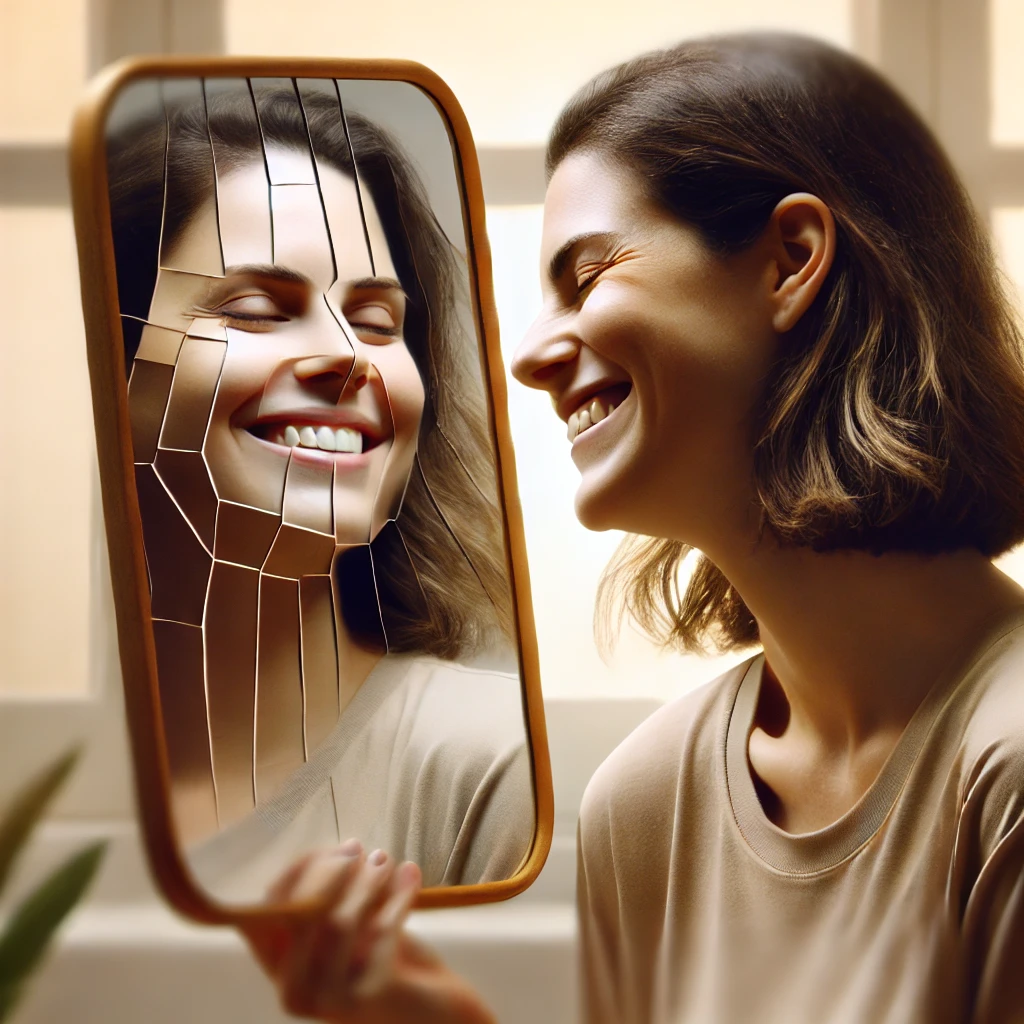

Are we fools, or are we making fools of others? Society has conditioned us to believe in an artificial, human-crafted definition of beauty—one that ranks people based on skin color, physical features, and unrealistic ideals. But why? Who decided that certain appearances are superior to others? The truth is, every individual is priceless, not because of their outward beauty but because of their unique existence. Every person is born with a specific purpose, a specific structure, and a role in the grand design of life. Yet, society continues to judge, discriminate, and impose superficial standards that create unnecessary divisions.
For centuries, fair skin has been associated with power, superiority, and privilege. Colonial rulers imposed their own beauty ideals, linking fairness with aristocracy and dark skin with labor. This outdated belief still persists, especially in post-colonial societies, where whiteness is subconsciously equated with success and desirability. The billion-dollar beauty industry thrives on this insecurity, convincing people they are “not enough” unless they conform.
Advertisements for fairness creams and skin-lightening treatments do not promote beauty; they sell self-doubt, feeding the illusion that white is better. Media and pop culture reinforce this toxic narrative, glorifying fair-skinned models and celebrities while sidelining those who do not fit the mold. Historically, fair skin was a status symbol among the elite, who remained indoors while laborers toiled under the sun. Over time, this class-based distinction evolved into a rigid beauty standard, influencing everything from marriage prospects to job opportunities.
When we see a unique creature in nature, we often call it “ugly.” But what truly defines ugliness—the creature’s form or our conditioned minds? Real ugliness is not in someone’s skin color, facial features, or body type; it lies in the minds of those who judge and discriminate. It is found in those who believe that being fair-skinned or conventionally attractive grants them the right to mock or belittle others. If a person with a dark complexion or unconventional features is made to feel inferior, the problem is not their appearance—it is the society that refuses to embrace natural diversity. Today, the phrase “the whiter, the better” dominates beauty standards worldwide, fueling an unhealthy obsession with fairness. Skin-whitening products flood the market, promising confidence, love, and success while exploiting deep-seated insecurities. But if fairness truly equaled beauty, why aren’t these products marketed in predominantly fair-skinned regions? The answer is simple: beauty companies do not care about making people beautiful; they profit from their insecurities.
It is time to challenge these harmful ideals and redefine beauty. We must reject social constructs that dictate our worth and embrace all appearances as equally valuable. The media and beauty industry must be held accountable for promoting unrealistic beauty standards, shifting their focus from skin color to self-confidence and diversity. Education plays a crucial role in breaking this cycle—children should grow up knowing that beauty is not about complexion or physical features but about character, intelligence, and kindness. Ultimately, real beauty is not in conforming to societal expectations but in being unapologetically oneself. The illusion of beauty is one of the greatest deceptions of our time, and dismantling it is essential—not just for social equality but for mental freedom. When we stop chasing artificial standards, we truly become beautiful—not in appearance, but in essence.
-Rashid Ali Ghazipuri