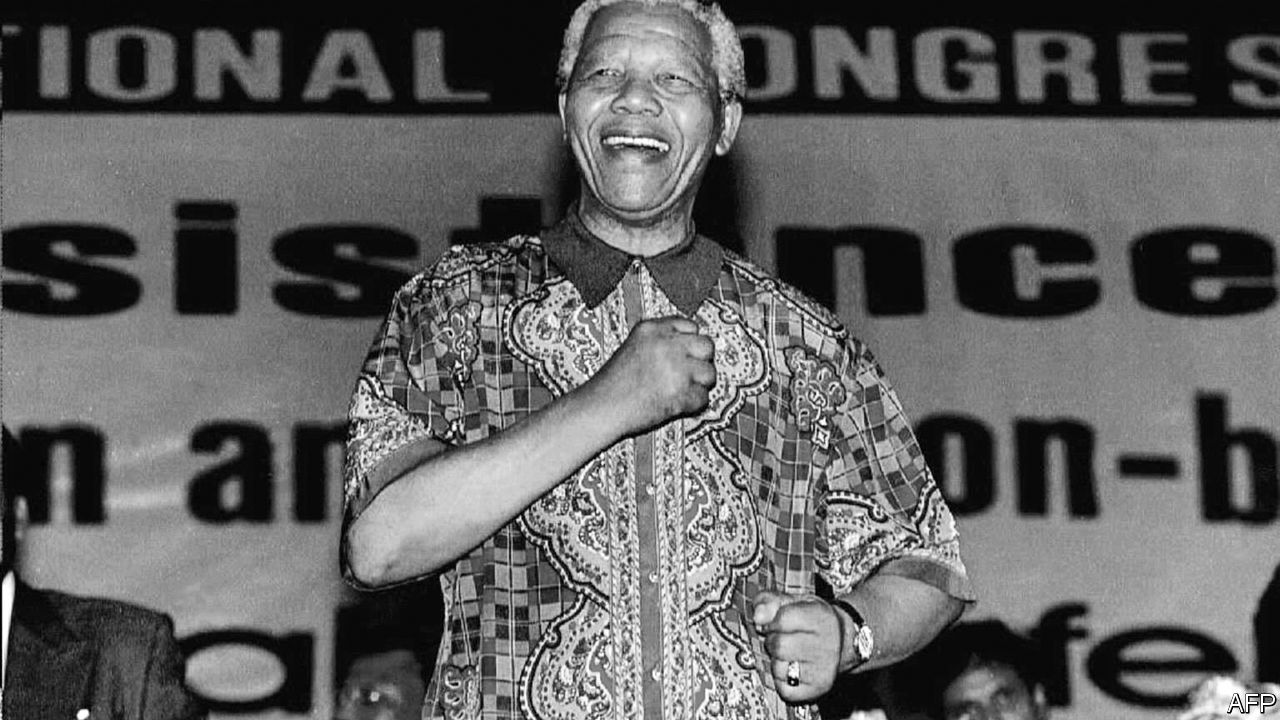

Nelson Mandela, the anti-apartheid leader who was jailed for his activism and in 1994 became South Africa’s first black President, regularly recited one poem during his more than twenty-five years of imprisonment—the 1875 poem
“Invictus” by English poet William Ernest Henley.
Out of the night that covers me,
Black as the Pit from pole to pole,
I thank whatever gods may be
For my unconquerable soul.
In the fell clutch of circumstance
I have not winced nor cried aloud.
Under the bludgeonings of chance
My head is bloody, but unbowed.
Beyond this place of wrath and tears
Looms but the Horror of the shade,
And yet the menace of the years
Finds, and shall find, me unafraid.
It matters not how strait the gate,
How charged with punishments the scroll,
I am the master of my fate:
I am the captain of my soul.
The poem, which helped Mandela persist through extraordinarily challenging circumstances, includes the iconic lines, “I am the master of my fate: / I am the captain of my soul.”
Mandela appreciated the important role that poetry can play in one’s life and in society.
About poet Carolyn Forché’s groundbreaking anthology Against Forgetting: Twentieth-Century Poetry of Witness (W. W. Norton, 1993), he wrote: “Poetry cannot block a bullet or still a sjambok, but it can bear witness to brutality—thereby cultivating a flower in a graveyard.”