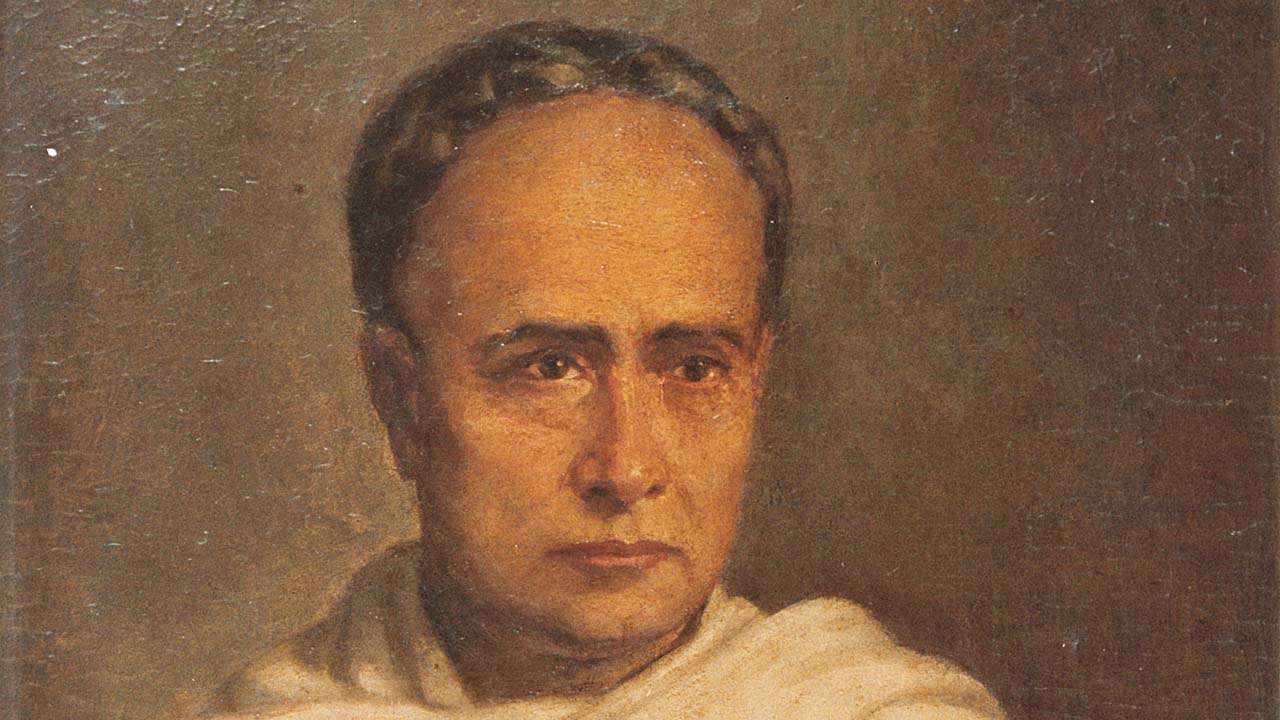

A polymath and another key figure of the Bengal renaissance, Ishwar Chandra Vidyasagar was a philosopher, academic educator, writer, translator, entrepreneur and social reformer. Vidyasagar championed the cause of upliftment of women in India, and helped introduce the practice of widow remarriage to mainstream Hindu society. Unlike the revolutionary Raja Ram Mohan Roy, Vidyasagar advocated reforms within the Hindu religion. During those days, remarriage of widows would occur occasionally only among progressive members of the Brahmo Samaj. The prevailing custom of polygamy and child marriage left many young widows helpless: they were subjected to orthodox rituals, close restrictions, starvation and hard domestic labour. Most widows had to shave their heads and wear white sarees to discourage attention from men. Unable to tolerate the ill treatment, many of these women would flee from their homes and turn to prostitution to support themselves. In 1853, it was estimated that Calcutta had a population of 12,718 prostitutes, many of whom were widows. Taking note of the situation, Vidyasagar proposed and pushed the Widows’ Remarriage Act XV of 1856 in India. He also demonstrated to the orthodox Hindus that the system of polygamy was not sanctioned by the ancient Hindu texts either. This helped both the Bengal renaissance, and consequent reforms in the whole country. Additionally, Vidyasagar’s efforts to simplify and modernize the Bengali language were significant. As an educator and scholar, he also rationalized and simplified the Bengali alphabet and type.
It is said that most social changes are student-driven. Suppress students and the society will stagnate. What makes youth a powerful agent of change is not just the energy and enthusiasm they possess but also the values and learnings good teachers imbibe in them. It is always the teachers who are behind the scene who guide students and help them with perspective, without which energy is often just chaos.
(From YS)