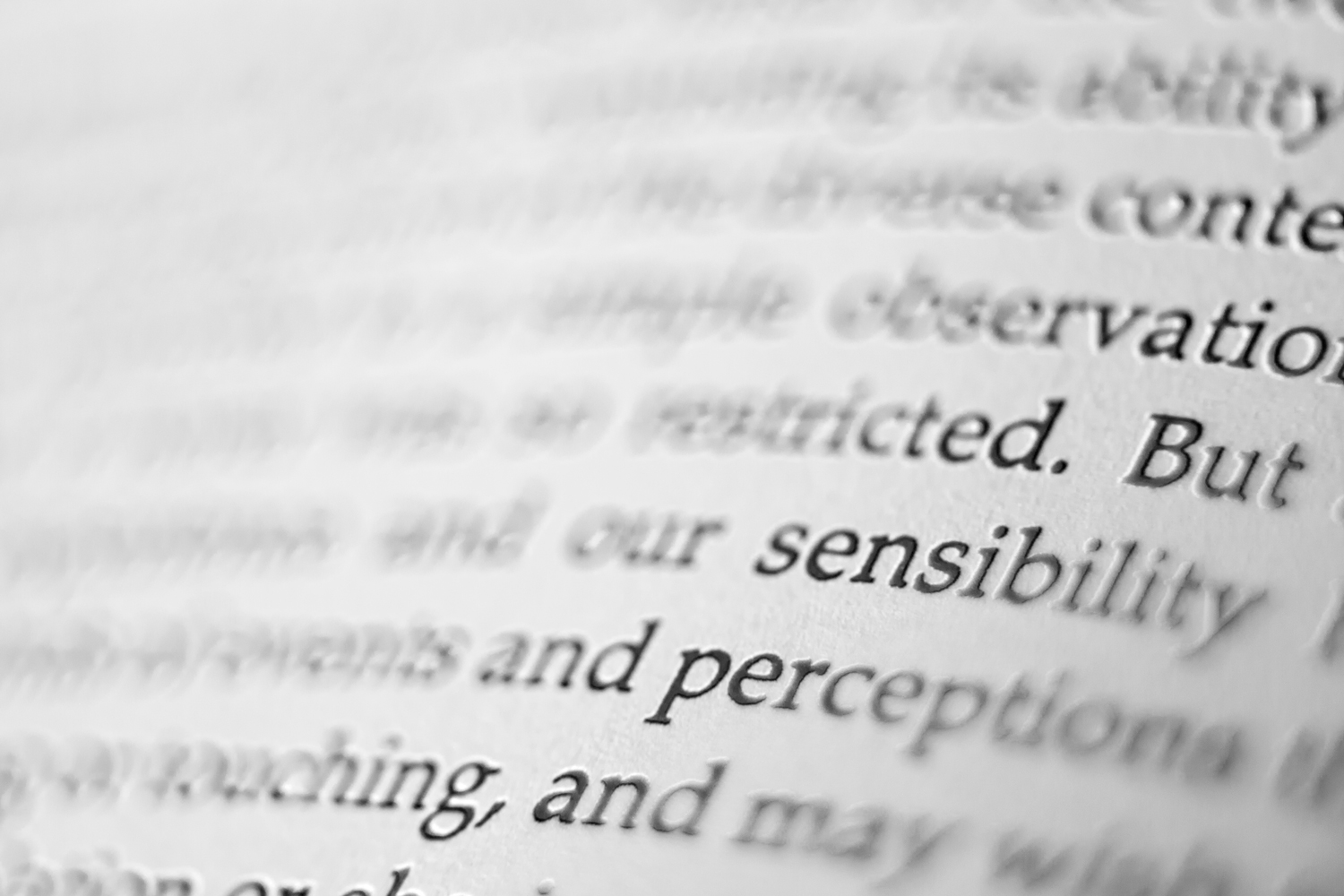
The fact is that neither poetry nor photography is a complete reality. No art form is. Yet just as a photograph is a painting of light, the poem is a painting of words, and the experiences of both the photographer and the poet are entwined in their intention to express a version of reality that is both shared and unique.
Poet and the photographer both study a subject through many lenses.
As an example, here are two poems of Wallace Steven’s Thirteen Ways of Looking at a Blackbird;
I
Among twenty snowy mountains
The only moving thing
Was the eye of the blackbird
IX
When the blackbird flew out of sight
It marked the edge
Of one of many circles
These two ways of seeing reflect how perspective is malleable, shaped by individual experience and thought. The gaze of the photographer and that of the poet are both analytical, yet individual. And just as there are many ways to approach single subject poetically, there are as many ways to approach the same subject photographically.
Researching other photography can be useful in gaining insight into how to attempt a subject. Interestingly, having a look at a poetic perspective can prove to be a useful insight in the same way. Studying the observations of poets can help draw out unique approaches to an environment or scenario, revealing useful opportunities and perspectives.
While he is best known for his novels The Dharma Bums and On The Road, Jack Kerouac was also an avid writer of westernized haiku. The haiku, a style of poetry originating in Japan, is a small poem traditionally based around images of the natural world.
Kerouac stated that Western haiku “must be very simple and free of all poetic trickery and make a little picture…”. His statement likens the haiku to that of the photograph, encapsulating a moment in time.
Some examples of Kerouac’s haiku include;
The taste
of rain –
Why kneel?
Morning sun –
The purple petals,
Four have fallen
April mist –
Under the pine
At midnight
As a poem limited to three lines, only the most necessary information may be included in a successful haiku. This approach is not dissimilar to minimalist photography, where select aspects of a photograph are emphasized by the minimization or eradication of others.
Kerouac’s comparison between the haiku and a picture paints the photographer as a sculptor of imagery. By sacrificing superfluous details and conveying a very specific idea, both photographers and poets appeal to an audience with an efficacy that leaves the lasting impression of well-executed artwork.
On the surface, poetry and photography may seem like completely different mediums. One deals with the written word, whereas the other creates images. But as two forms of artistic expression, poetry and photo-making have more in common than one might think. For example, both writing and photography rely on narrative and visual language to operate. Light and space are illuminating factors in both mediums too. Investigating these shared attributes (and many more) can affect our photographic practice. Let’s look at a few ways in which poetry and photography are alike and how the poetic word can impact your approach to image-making.
Above Thoughts are from:- digital-photography-school.com